📝 Understanding the Importance of Invoicing
Invoicing is a critical part of freelance work, serving as a formal record of services rendered and payment requests. In 2026, mastering invoicing not only enhances professionalism but also ensures timely payments, which is essential for sustaining a freelance career.
Whether you're a seasoned freelancer or just starting your remote work journey, implementing proper invoicing practices will significantly impact your cash flow and business reputation.
🤝 Know Your Client
Before sending an invoice, understanding your client's payment terms is vital. Some clients may require invoices to follow specific formats or include particular details.
Key Client Information to Gather:
- •Preferred invoice format and required fields
- •Payment terms (Net 15, Net 30, etc.)
- •Purchase order requirements
- •Billing contact and approval process
💻 Use Professional Invoicing Software
Opting for a reliable invoicing tool can vastly improve your billing process. Look for features like automatic reminders, payment tracking, and customizable templates.
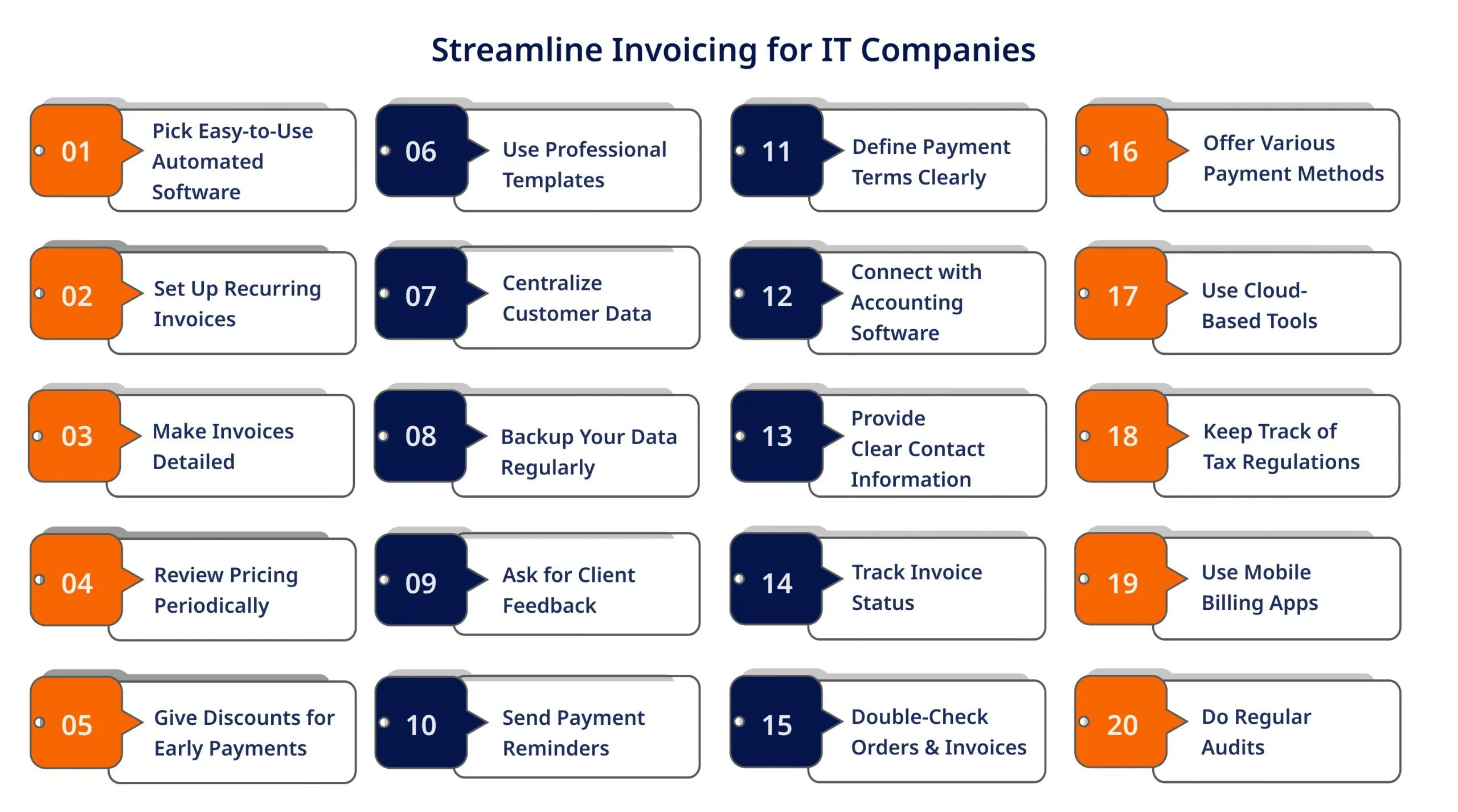
Professional invoicing streamlines your freelance billing process
Essential Features:
- ✓Automatic payment reminders
- ✓Customizable invoice templates
- ✓Payment tracking and analytics
- ✓Multi-currency support
Pro Tip:
Tools like Remote offer great insights for freelancer accounts and invoicing strategies.
📋 Include Essential Information in Your Invoices
Your invoice should include all necessary information to ensure quick processing and payment. As noted in the Tofu guide, clarity in your invoices minimizes the chances of payment disputes.
Required Invoice Elements:
- •Your business name and contact information
- •The client's name and contact details
- •A unique invoice number
- •The date of issue
- •A detailed description of services rendered
- •The total amount due and payment terms
Additional Details:
- +Project or purchase order number
- +Tax information (if applicable)
- +Payment method instructions
- +Late payment fees policy
🎯 Payment Tracking & Organization
⏰ Keep Track of Payment Deadlines
Always specify payment terms, such as "Net 30" or "Due upon receipt," and follow up if a payment is late. Using an invoicing tool can help send automatic reminders.
🔢 Number Your Invoices
Assigning unique invoice numbers is vital for organization and tracking. As mentioned in the Traqq blog, this practice not only simplifies record keeping but also reinforces a professional image.
💰 Be Transparent About Your Rates
Clearly outline your rates for different services within the invoice. This will help clients understand the costs better and reduce misunderstandings.
📁 Maintain Organized Records
Keep copies of all invoices sent and payments received. This not only aids in tax preparation but also serves as a reference in case disputes arise.
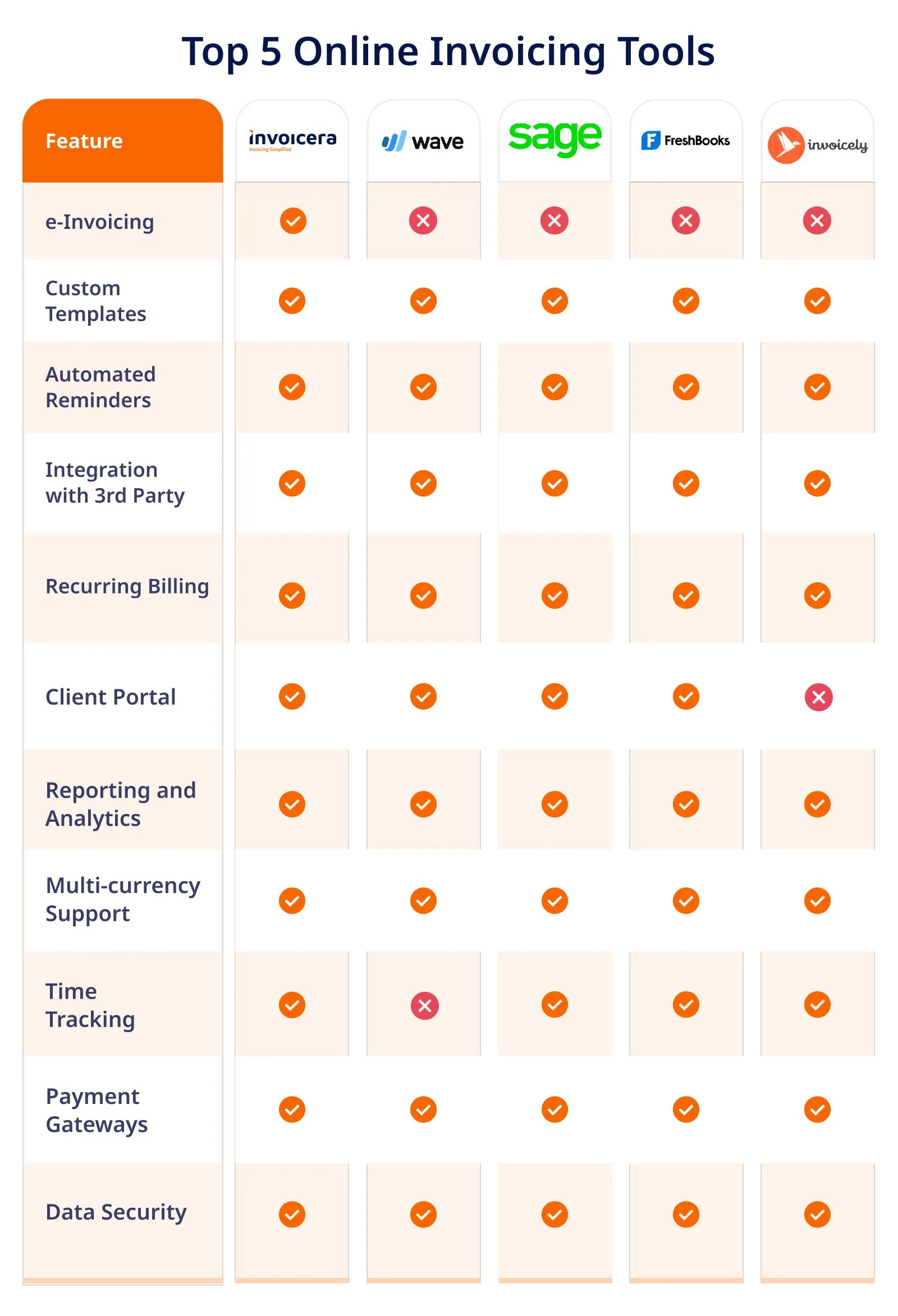
Key invoicing tips for freelance success
💳 Payment Process & Communication
Payment Options
Offer various payment methods like credit cards, PayPal, or bank transfers to encourage prompt payments.
Clear Communication
Establish invoicing frequency and format expectations early in client discussions.
Follow Up Politely
Send polite reminders for overdue payments. Sometimes delays are due to simple oversight.
Start Professional Invoicing Today
The easier you make it for clients to pay, the more likely they are to do so quickly.
Create Your Invoice Now🎯 Conclusion
Adopting these invoicing best practices can significantly improve your cash flow and professional image. Consistent, professional invoicing not only ensures you get paid faster but also builds trust with your clients.
For further insights, check out the article on HoneyBook about invoicing as a freelancer.
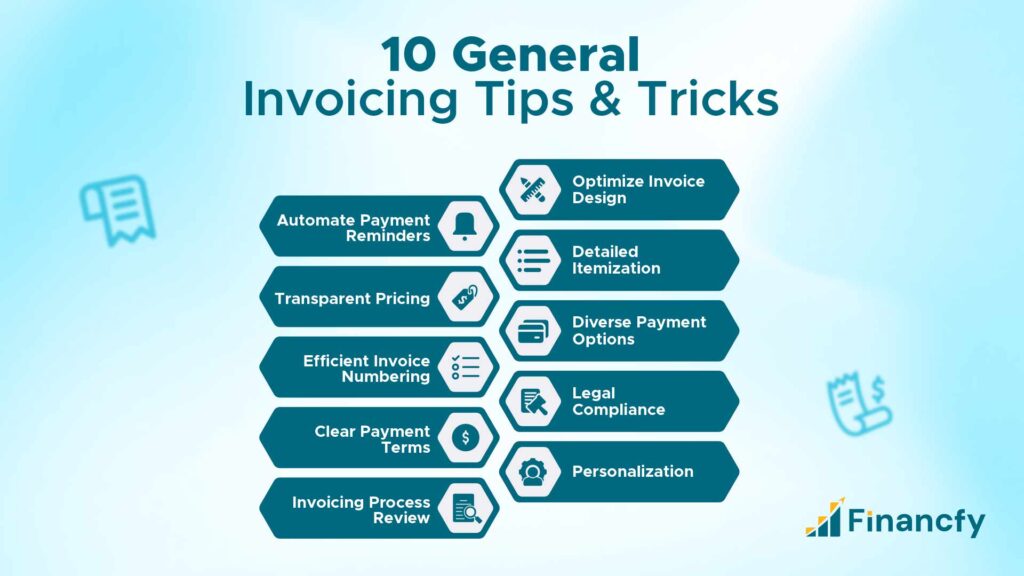
Essential invoicing tips for freelance success
🚀 Take control of your freelance finances with professional invoicing!
Start Creating Professional Invoices📌 Sources & References
This comprehensive freelancer invoicing guide draws from expert resources and industry best practices: